
Q&A: General questions about diving.
Everything about diving - certifications, safety, and more!
Welcome to our diving Q&A!
The ocean holds a whole world of adventure—and diving is your key to discovering it. Many families dream of taking the plunge and exploring life below the surface, but have questions about everything from certifications and safety to kid-friendly options and equipment.
In this post, we have compiled the most frequently asked questions and answers so that you can sit back and get an overview of everything. Whether you dream of snorkeling in the crystal-clear Mediterranean waters of Gozo or swimming side by side with sea turtles in Bali, this is your guide to getting started with diving safely and confidently—and creating memories that will last a lifetime.
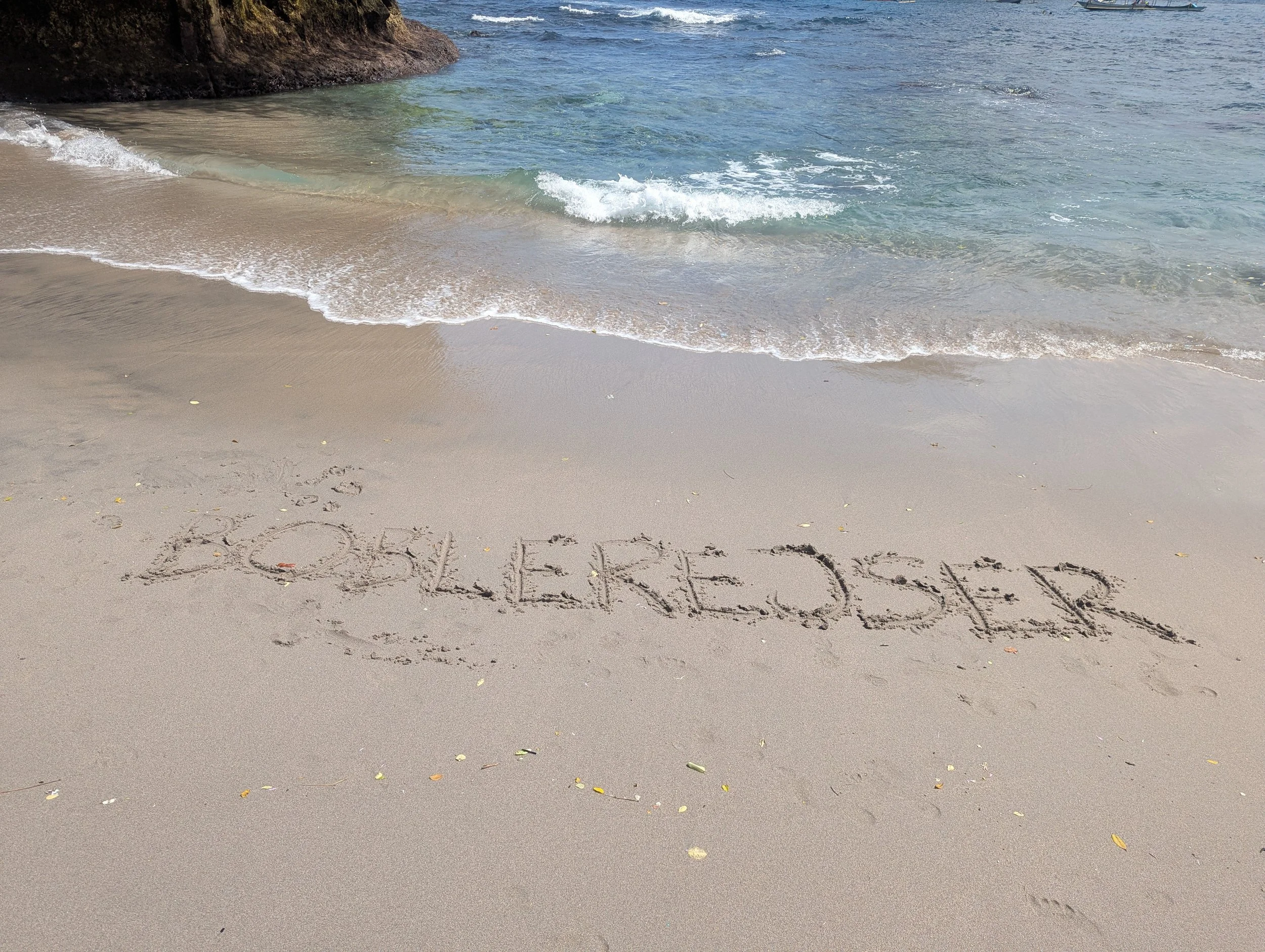
And remember – at Boblerejser , we Boblerejser you every step of the way, from your initial questions to planning your dream trip, so you can focus on what's most important: letting the adventure begin and enjoying your vacation together.
General questions about diving and certification:
-
PADI Open Water Diver
SSI Open Water Diver
CMAS
All three are internationally recognized and offer essentially the same rights. PADI (Professional Association of Diving Instructors) and SSI (Scuba Schools International) are most widespread globally, while CMAS (Confédération Mondiale des Activités Subaquatiques) is more prevalent in some European countries.
-
They teach using slightly different pedagogical methods and structures, but the practical level is almost identical. PADI and SSI are modular and very user-friendly, while CMAS places more emphasis on theory.
-
8-10 years: Trial dive/bubblemaker
10–14 years: Junior Open Water (down to 12 meters)
From age 15: Open Water (down to 18 meters)
From age 15: Advanced Open Water (down to 30 meters)
-
A diving certificate does not expire, but if you have not been diving for a long time (e.g., more than 6-12 months), we recommend a refresher course/dive, where you briefly review the most important points about diving and safety with your instructor.
-
You must dive to a depth of 18 meters, always with a buddy. No solo diving, night diving, cave diving, or technical diving. It's never about just diving deep, but diving for experiences. We see colors best at shallow depths, so the deeper we dive, the fewer colors we see.
-
No. Recreational diving always requires a buddy ( diving partner). Solo diving requires special training and experience.
Questions about the diving course and instructors:
-
A typical course consists of:
Theory - can be taken online from home, and our experience shows that it takes approximately 15-20 hours to complete, depending on how quickly you read and work through the videos, quizzes, and revision.
The practical part typically takes 3-4 days and includes some sessions in calm water/pools and on land.
In addition, there are usually 4 dives in the sea over 2-3 days.
The practical part usually lasts 3-5 days, depending on the pace and weather.
We recommend setting aside at least 7 days for the trip if you are going to take a diving certificate. That way, there is also room for any delays or unforeseen events.
-
Theory lessons are usually conducted online from home , but can also be taken at the destinations. Calmwater/pool exercises take place in calm sea water or a pool belonging to the diving center. Sea dives take place – yes, in the sea ;-) Bad weather may postpone or move sea dives.
-
Normally, there is one instructor for a maximum of four students. Good diving centers like ours keep the groups small for optimal learning and safety.
-
Yes, all of the instructors we use are certified and experienced, and they have undergone extensive training.
-
The diving center has all the equipment you need for the course/certification/dive, so all you need to bring is your swimsuit and towel, as well as something to eat and drink, and of course your dive logbook so you can write about the dive you just had :-)
Diving certificates, snorkeling & trial dives:
-
Yes, we offer both PADI and SSI certifications – from trial dives and Scuba Diver to Open Water, Advanced, and Tech Diver. Lessons are always held in small groups with instructors who are experienced in introducing diving to children and adults. We recommend completing the theory part at home via e-learning, so you have more time to enjoy your vacation ;-).
-
Yes – from the age of 8, they can participate in Bubblemaker or SSI Try Scuba. From around the age of 10, they can take the Junior Open Water certificate. Read more about trial dives for beginners and children here.
-
Yes – We organize family courses where children aged 10 and above can obtain a PADI Junior Open Water certificate through e-learning at home and practical training with certified instructors at the destination. The family experience and children's safety are given high priority.
-
Yes – snorkeling is the perfect way to start your underwater adventure . Even the youngest can join in, as long as they feel safe in the water. No certificate is required, and right from the shore you can see colorful fish, corals, and maybe even a sea turtle swimming by. If you wish, you can take guided snorkeling tours or perhaps instruction on how to snorkel optimally and get the most out of the experience.

Questions if it is for children:
-
As a starting point, no –the onlinetheory section is the same, so we recommend dividing it into smaller sections, adapted to your child's abilities and concentration span. The practical section is designed with children in mind, and the exercises can be shortened if necessary, but the same number of exercises and skills must be completed as for children. Great importance is always placed on a calm pace and a sense of security.
-
Good instructors explain everything calmly, do safety exercises, and stop if the child becomes unsafe. Children should never be forced underwater .
-
Yes – we only work with experienced instructors, and everything takes place in small groups with a focus on safety and ensuring that everyone has a fantastic experience.
-
Instructors are trained to spot insecurity and will immediately interrupt if anxiety or similar feelings are detected. The child is allowed to take breaks and return when and if it feels right.
-
It depends on the child's age and wishes, as well as the diving center's rules. Most often , parents are present during the initial discussions and paperwork, and may be on the sidelines during the first calm water/pool sessions.
-
Yes, there are masks, suits, vests, and regulators in children's sizes. It is important that everything fits well so that you feel comfortable and safe when using the equipment.
Safety and health:
-
Before diving, you must fill out a "Diver Medical Form,"where you must be able to answer NO to all questions, which most people can. For certain conditions such as asthma and heart problems, a medical certificate is required. If you have any questions about this, please contact us. HERE. Or send us an email at Boblerejser
-
In recreational diving, it's always about safety, safety, and safety. This means that you should:
Plan the dive and dive the plan – so everyone knows what's going to happen.
Dive with a buddy (buddy system) so you can always help each other.
Remains within its own limits and the depth limit of the certificate.
Respects ascent speed and safety stops, giving the body time to equalize pressure.
In other words: It's fun to dive safely, because then you can relax and enjoy your dive to the fullest.
-
Serious problems rarely occur during training or diving, and all our instructors are trained to spot problems before they develop. Should the need arise, they are fully proficient in emergency procedures and first aid. There is always a plan for emergencies – and safety, safety, and safety are always paramount when diving .
-
Yes—there are certain individuals who should not dive. Although the vast majority of people can dive without any problems, individuals with serious heart conditions , uncontrolled asthma, epilepsy, or claustrophobia, for example, should not dive without a doctor's approval.

Diving is AMAZINGLY FUN—before, during, and after!
Practical and financial issues:
-
Prices vary, but a typical Open Water course costs around DKK 4, 000, including equipment rental and certification.
-
Yes - When you purchase a trip through us at Boblerejser, all equipment is included and you get a total price for the trip and certificate, so you don't have to pay extra for equipment and so on – it's all included in the price.
-
As a rule, no— some people prefer to use their own mask because they know it fits their face well, but the diving centers we work with have fantastic equipment, and everything is included in the price.
-
If you need a medical certificate, you must pay for it yourself before departure so that you have been approved to dive before you leave and do not have to spend time on it during your vacation. When you travel and dive with Boblerejser, you get a cool diving logbook included in the price of the trip, and if you get a certificate, you get that too, of course— online and/or physical, depending on what kind of certificate you get.
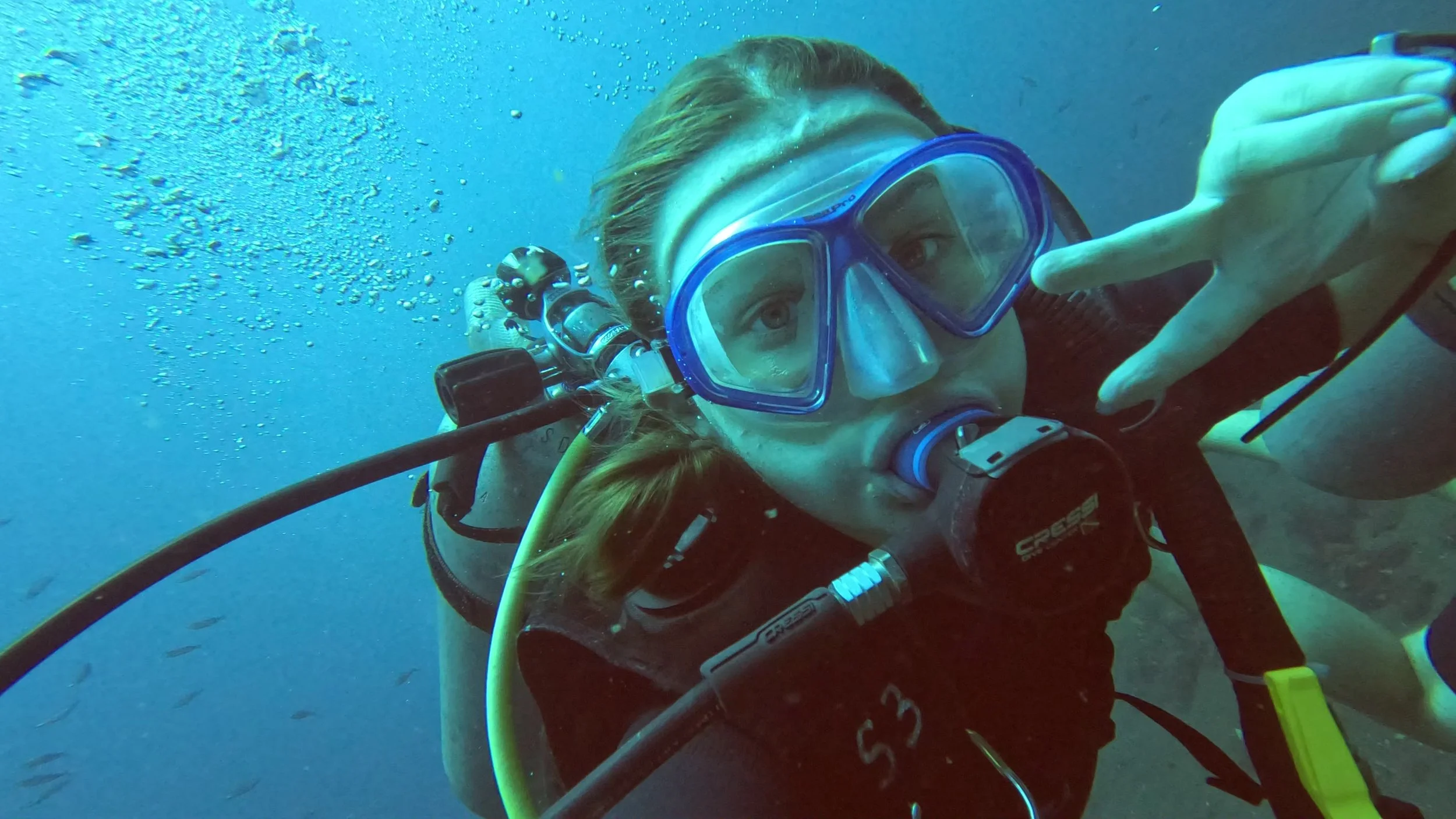
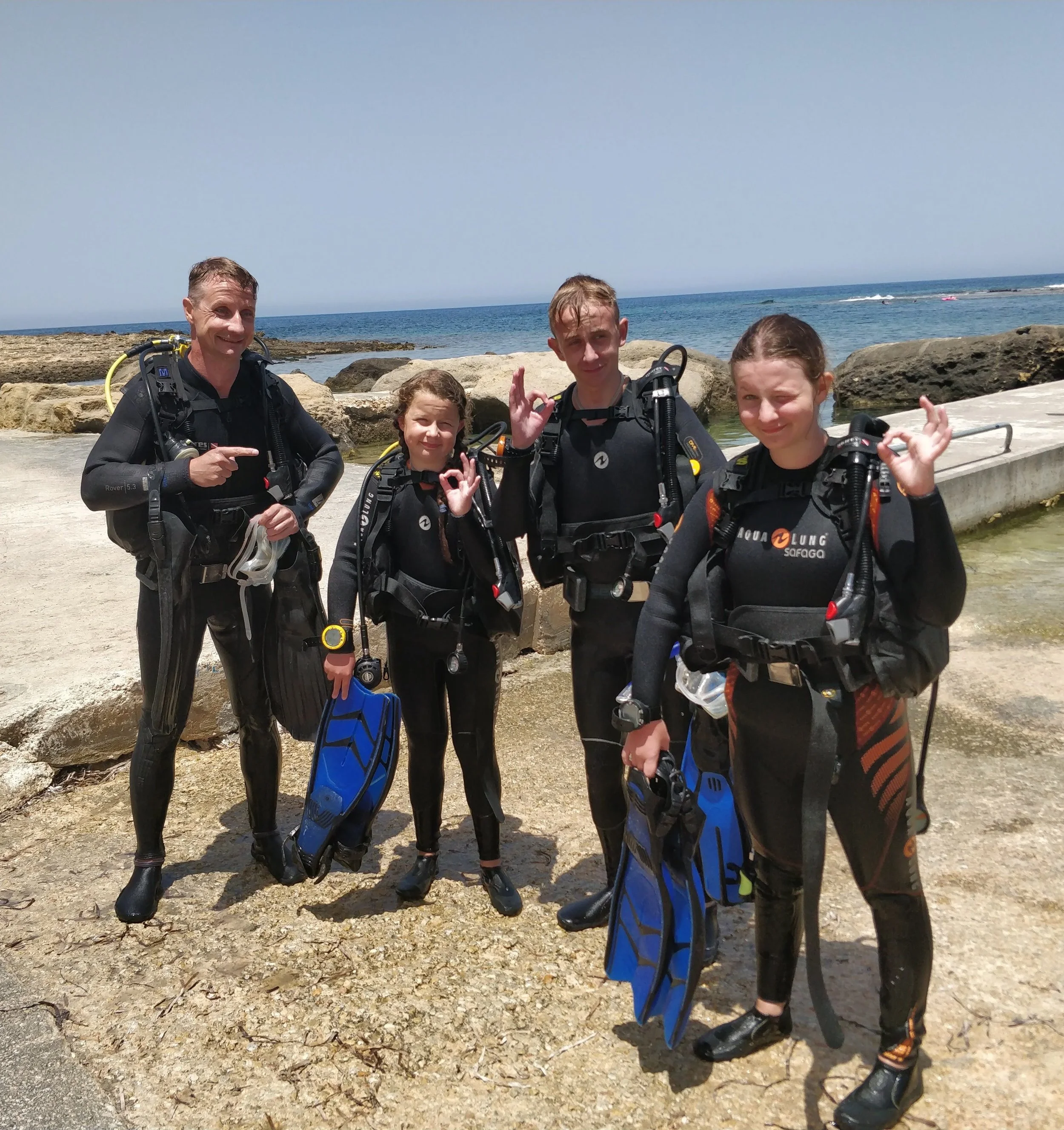
“The diving centerwas well-run and had empathetic and skilled instructors—the boys felt really comfortable and learned a lot during those days.” - Ayla (Mother of two boys)






Questions about the future and opportunities:
-
You can rent equipment and dive almost anywhere in the world – as long as it is recreational diving. However, you must show your certificate and logbook. We always recommend that you have a local diving instructor/guide with you on your dives, as it makes for a much better and safer experience to dive with someone who knows the area you are diving in.
-
Yes. The next steps are, for example:
Advanced Open Water/Scuba Diver
Rescue Diver
Specialties (night diving, wreck diving, deep diving, nitrox, etc.)
Read more about the possibilities in our section on diving HERE.
-
Many of us have taken a break from diving for several years, but now want to get back into it. As a starting point , you need to take a"refresh dive,"where you briefly review the theory of diving before going into the water and practicing a few skills, rediscovering the incredible world beneath the surface of the sea—being weightless and living in the moment. - then you are ready to dive again, and of course you can do it at your own pace - Talk to us about the possibilities of getting started with diving again - We would LOVE to help :- ) Contact us HERE.
Ready to get in touch?
At Boblerejser , we help you make your dream come true. We have hand-picked the best accommodations on Gozo and Bali, so you can combine family fun, snorkeling, unforgettable diving experiences for the whole family, and, last but not least, fantastic trips and experiences on the water.
Contact us today to learn more about how we can tailor your next adventure beneath the sea.
Read more about our fantastic destinations Gozo (Malta) and Bali or explore our other inspiring articles about diving and family adventures here.